Every day, we make choices about what we bring into our lives. We look for quality, efficiency, and something that feels right. But figuring out which operating system is optimized for web apps shouldn’t feel like a treasure hunt.
At kymakers.com, we started with a simple question: why does something as basic as choosing the right OS for browser-based work have to be so complicated?
We believe that everyday productivity should be effortless. That’s why we didn’t just write another comparison chart; we broke down exactly which operating system is optimized for web apps so you can pick with confidence. Our identity is rooted in simplicity, reliability, and putting your needs first.
Why This Question Matters More Than Ever
More of daily work now happens inside a browser tab than inside a traditional installed program. Email, design tools, spreadsheets, video calls, project boards, and even full development environments now run as web apps rather than installed software. That shift is exactly why so many people are asking which operating system is optimized for web apps before buying their next laptop or setting up a new machine.
The answer used to be simple: whatever OS came with the hardware. Today, it’s worth a closer look, because the operating system underneath your browser directly affects how many tabs you can keep open, how fast pages load, how long your battery lasts during a video call, and how quickly the whole machine wakes from sleep.
Here’s how the five main contenders stack up.
Key Factors That Affect Web App Performance
Before comparing individual systems, it helps to understand what actually determines which operating system is optimized for web apps in practice, rather than in marketing copy.
- Background processes: Every service running silently in the background competes with your browser for CPU and memory. Leaner systems leave more resources for the tabs that matter.
- Update behavior: Frequent, disruptive updates interrupt workflows. Systems built around continuous, lightweight updates tend to feel faster over time.
- Memory management: How efficiently an OS handles multiple open tabs — especially media-heavy ones — has a real impact on daily performance.
- Startup and wake time: A system built for browser-first use should get you back into your open tabs in seconds, not minutes.
Keeping these four factors in mind makes it much easier to judge which operating system is optimized for web apps for your specific situation, rather than relying on general reputation alone.
1. Chrome OS: Built Around the Browser
If the question is which operating system is optimized for web apps, Chrome OS is the most literal answer — the entire system is essentially a browser shell. Boot times are fast, background overhead is minimal, and updates happen quietly in the background without interrupting your workflow. Storage needs are minimal too, since most files and apps live in the cloud rather than on local disk.
For anyone who lives inside Gmail, Docs, and browser-based dashboards, this is the leanest option available. The tradeoff is flexibility: if your job occasionally requires a native desktop program with no web equivalent, Chrome OS can feel limiting.
2. Windows 11: The Flexible Middle Ground
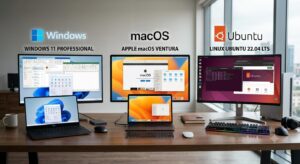
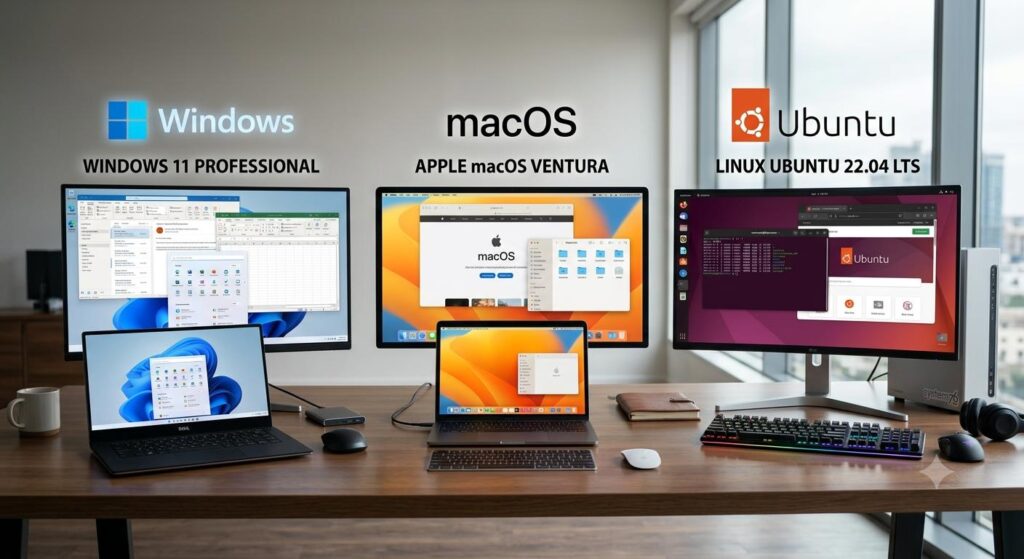
Windows remains a strong answer to which operating system is optimized for web apps, especially for people who also need native desktop software occasionally. Modern versions handle Progressive Web Apps well, letting browser tools behave like standalone programs with their own taskbar icons, notifications, and dedicated windows.
The downside is that Windows carries more background services by default than a browser-first system, which can eat into the resources available for heavy multi-tab sessions. Choosing a machine with enough RAM largely offsets this.
3. macOS: Smooth, But Resource-Heavier
macOS handles web apps gracefully thanks to tight hardware-software integration and efficient power management, but it isn’t always the leanest answer to which operating system is optimized for web apps if raw efficiency is the only priority. It shines for creative professionals who mix browser tools with heavier native apps like video editors, design software, and audio workstations.
Battery life during long browser sessions is genuinely strong on Apple silicon, which partly offsets the extra background overhead compared to browser-only systems.
4. Linux Distributions: Lightweight and Customizable
For technically confident users, lightweight Linux distributions are a compelling answer to which operating system is optimized for web apps. Stripped-down environments free up more RAM and CPU headroom for the browser itself, which is where the actual work happens.
The tradeoff is setup time — Linux distributions require more manual configuration than Chrome OS or Windows out of the box, which makes this option better suited to people comfortable troubleshooting their own system.
5. ChromeOS Flex: Reviving Older Hardware
ChromeOS Flex deserves its own mention when discussing which operating system is optimized for web apps, since it can turn an aging laptop into a fast, web-first machine without the weight of a full traditional OS. It’s a particularly good fit for secondary devices, classroom hardware, or anyone trying to extend the life of an older computer without buying something new.
Where to Buy the Best Microsoft App for Windows, ChromeOS, and Linux
When it comes to upgrading your computer, finding the right operating system at the best price depends entirely on what you need. For Microsoft Windows, the absolute best place to buy genuine, high-quality product keys at an affordable price is right at Kymakers, where you can secure your download instantly and get premium, reliable support without paying the massive retail margins found elsewhere. If you are looking to get ChromeOS, you don’t actually buy the software by itself; the best and most cost-effective path is to buy a dedicated device like a Chromebook Plus from major retailers like Best Buy or Amazon, which often bundle the fast, cloud-based software with highly affordable, lightweight laptops. Finally, you don’t ever need to buy Linux distributions because they are famously free and open-source—you simply head to the official project websites for distributions like Linux Mint or Ubuntu, download the ISO file for $0, and install a secure, fully custom operating system on any PC.
To see a full breakdown of the latest high-value ChromeOS hardware options, you can check out this Chromebook Review Guide. This video is highly relevant because it compares real-world testing data and pricing for the top ChromeOS devices currently available on the market.
Quick Summary: Matching the OS to Your Workflow
If you only remember one thing about which operating system is optimized for web apps, let it be this: match the system to how you actually work, not to brand loyalty.
- Browser-only, minimal native software: Chrome OS or ChromeOS Flex
- Mixed browser and native desktop work: Windows 11
- Creative work alongside browser tools: macOS
- Full control and customization: A lightweight Linux distribution
How We Approach Picking the Right Fit
“Your daily routine deserves the best version of what the market can offer.”
Working out which operating system is optimized for web apps doesn’t need to mean hours of trial and error. It means matching your actual daily habits — browser-only work, occasional native apps, or a mix of both — to the system built for that pattern. That’s the philosophy behind everything we curate at kymakers.com: cutting the guesswork out of decisions like which operating system is optimized for web apps so you can get back to actual work.
For a deeper technical comparison of browser performance across platforms, Google’s Chrome OS documentation is a solid, credible starting point.
Common Questions About Which Operating System Is Optimized for Web Apps
Does RAM matter more than the OS itself? Both matter. But part of answering which operating system is optimized for web apps is recognizing that a leaner OS leaves more RAM available for browser tabs in the first place.
Is Chrome OS always the best answer? For pure browser-only workflows, yes — it’s usually the strongest single answer to which operating system is optimized for web apps. For mixed workflows involving native software, Windows or macOS may fit better.
Can older hardware still run web apps well? Often yes, especially when paired with ChromeOS Flex or a lightweight Linux build, both strong answers to which operating system is optimized for web apps on aging machines.
Does gaming change the answer? Yes — if gaming is a priority, Windows usually wins regardless of which operating system is optimized for web apps, since it has the widest native game support alongside solid browser performance.
How often should I reassess my choice? Hardware refresh cycles and major OS updates both shift the balance over time, so it’s worth revisiting your setup every couple of years rather than assuming today’s answer stays fixed forever.
Ready to Elevate Your Daily Experience?
If you’re ready to elevate your daily experience without the guesswork, we’ve curated a collection just for you.
👉 [https://kymakers.com/] and find exactly what your routine has been missing.